What’s the Best Smartwatch for Health Monitoring? A Deep Dive into Key Features
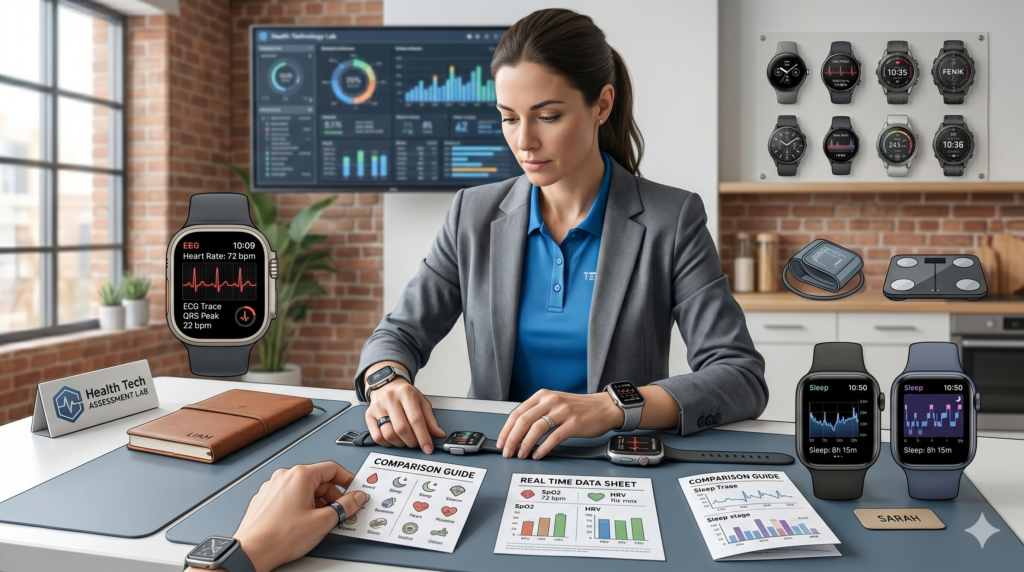
What’s the Best Smartwatch for Health Monitoring? A Deep Dive into Key Features
In an era where personal health and wellness are paramount, smartwatches have evolved far beyond simple notification devices. Today’s leading models offer sophisticated health monitoring capabilities, turning a wrist accessory into a powerful, proactive health companion. But with so many options promising advanced features, how do you choose the best smartwatch for health monitoring?
This article cuts through the noise, comparing the top smartwatches on the market based on their most impactful health tracking features: ECG, blood oxygen saturation (SpO2), temperature sensing, and comprehensive sleep analysis. We’ll explore what each feature means for your health and which devices excel in delivering accurate, actionable insights.
Key Health Tracking Features to Look For
Before diving into specific models, understanding the core health metrics smartwatches track is crucial. Not all features are created equal, and some might be more relevant to your personal health goals than others.
Electrocardiogram (ECG)
An ECG app on your wrist can record the electrical signals from your heart, similar to a single-lead electrocardiogram performed in a clinic. Its primary purpose in smartwatches is to detect signs of Atrial Fibrillation (AFib), an irregular heart rhythm that can be a precursor to stroke. While not a substitute for a full medical ECG, it provides valuable early detection potential.
- Importance: Early detection of AFib, peace of mind for heart health.
- Key Players: Apple Watch, Samsung Galaxy Watch, Google Pixel Watch, Withings ScanWatch.
Blood Oxygen (SpO2) Monitoring
Blood oxygen saturation levels indicate how well your respiratory and circulatory systems are delivering oxygen to your body. Low SpO2 can be a sign of underlying health issues, including respiratory problems or sleep apnea. Many smartwatches can take on-demand readings or even track SpO2 continuously during sleep.
- Importance: Insights into respiratory health, potential indicator of sleep disorders.
- Key Players: Apple Watch, Samsung Galaxy Watch, Garmin, Google Pixel Watch, Withings ScanWatch.
Skin Temperature Sensing
Relatively new to the smartwatch scene, skin temperature sensors offer a wealth of potential health insights. For women, it can provide retrospective ovulation estimates for cycle tracking. For everyone, changes in baseline temperature can hint at illness, stress, or shifts in body rhythm.
- Importance: Advanced cycle tracking, early indicator of illness, general wellness monitoring.
- Key Players: Apple Watch Series 8/Ultra and newer, Samsung Galaxy Watch 5/6 and newer.
Comprehensive Sleep Analysis
Quality sleep is fundamental to overall health. Smartwatches with advanced sleep tracking don’t just tell you how long you slept, but also break down sleep stages (REM, Core/Light, Deep), detect disturbances, and often provide a ‘sleep score’ with personalized recommendations to improve your sleep hygiene.
- Importance: Identifying sleep patterns, improving sleep quality, managing fatigue.
- Key Players: All major smartwatches (Apple Watch, Samsung Galaxy Watch, Garmin, Google Pixel Watch, Withings ScanWatch) offer robust sleep tracking, often with varying levels of detail and insight.
Heart Rate Monitoring & Variability (HRV)
Constant heart rate tracking is standard, but some watches go further with Heart Rate Variability (HRV). HRV measures the variation in time between your heartbeats and can be a powerful indicator of stress, recovery, and overall nervous system health. Lower HRV often correlates with higher stress or fatigue.
- Importance: Stress management, workout recovery optimization, overall physiological insight.
- Key Players: Garmin, Apple Watch, Samsung Galaxy Watch, Google Pixel Watch.
Top Contenders: A Detailed Comparison
Let’s examine the leading smartwatches renowned for their health monitoring prowess.
Apple Watch Series [Latest Model]
The Apple Watch remains a benchmark for health tracking, especially for iPhone users. It integrates seamlessly with the iOS ecosystem, offering a holistic view of your health data in the Health app. Newer models, like the Apple Watch Series 9 and Apple Watch Ultra 2, boast an impressive suite of features.
- Strengths: Highly accurate ECG, reliable SpO2 sensor, advanced temperature sensing (for cycle tracking), excellent fall and crash detection, comprehensive fitness tracking, robust app ecosystem.
- Weaknesses: iPhone exclusive, battery life typically 18-36 hours (Ultra lasts longer), higher price point.
- Key Health Features: ECG, SpO2, Wrist Temperature Sensing, High & Low Heart Rate Notifications, Irregular Rhythm Notifications, Sleep Stages, Cycle Tracking, Mindfulness.
Samsung Galaxy Watch [Latest Model]
Samsung’s Galaxy Watch series is the top choice for Android users seeking deep health integration. Running on Wear OS powered by Samsung, it offers a strong balance of smart features and health tracking. The Galaxy Watch 6 and Watch 6 Classic are prime examples.
- Strengths: ECG, SpO2, skin temperature sensor, Bioelectrical Impedance Analysis (BIA) for body composition (body fat, skeletal muscle), good Android integration, stylish designs.
- Weaknesses: Shorter battery life (often 30-40 hours), some features may require a Samsung phone.
- Key Health Features: ECG, SpO2, Skin Temperature, BIA, Irregular Heart Rhythm Notification, Advanced Sleep Coaching, Blood Pressure Monitoring (in select regions and requiring calibration).
Garmin Venu Series / Fenix Series
Garmin watches, particularly the Venu 3 and premium Fenix 7 lines, are renowned for their exceptional fitness tracking and multi-day battery life, making them ideal for athletes and outdoors enthusiasts who also prioritize health metrics.
- Strengths: Class-leading battery life (days to weeks), highly detailed fitness and activity tracking, robust GPS, excellent SpO2 tracking, ‘Body Battery’ energy monitoring, advanced HRV status.
- Weaknesses: ECG is only available on select newer models (e.g., Venu 2 Plus, Venu 3) and may not be as broadly available as on Apple/Samsung, fewer ‘smart’ features like calling from the watch compared to competitors.
- Key Health Features: SpO2, Advanced Sleep Monitoring (Sleep Score, Sleep Coach), Body Battery Energy Monitor, HRV Status, Stress Tracking, Health Snapshot, Respiration Tracking.
Google Pixel Watch [Latest Model]
The Google Pixel Watch, especially the Pixel Watch 2, combines Google’s Wear OS experience with Fitbit’s renowned health and fitness tracking expertise. It’s a strong contender for Android users looking for a sleek design and deep integration with Google services.
- Strengths: Seamless Android integration, sleek and comfortable design, strong Fitbit health tracking foundation (SpO2, ECG, CEDA sensor for stress), good activity tracking.
- Weaknesses: Battery life is still relatively short (around 24 hours), newer to the market so ecosystem is still maturing.
- Key Health Features: ECG, SpO2, CEDA sensor (continuous electrodermal activity) for stress management, Sleep Tracking (with sleep profiles), High & Low Heart Rate Alerts, Fitness tracking powered by Fitbit Premium (often with a trial included).
Withings ScanWatch Series
For those who prefer the aesthetics of a traditional watch but still desire robust health monitoring, the Withings ScanWatch (available in various iterations) is an excellent hybrid option. It focuses heavily on medical-grade health features.
- Strengths: Exceptional battery life (up to 30 days), medical-grade ECG and SpO2, passive sleep apnea detection, classic watch design, robust and clear health reporting in the Withings Health Mate app.
- Weaknesses: Less of a ‘smart’ watch (monochrome screen, limited apps), no color display, fewer traditional fitness tracking features than dedicated sports watches.
- Key Health Features: On-demand ECG, SpO2 (Medical-grade), Sleep Apnea Detection, Heart Rate Tracking, Activity Tracking.
Choosing Your Best Smartwatch for Health Monitoring
Selecting the right smartwatch boils down to your personal priorities and ecosystem.
Consider Your Ecosystem
If you own an iPhone, the Apple Watch offers the most seamless and feature-rich experience. For Android users, the Samsung Galaxy Watch or Google Pixel Watch provide deep integration. Garmin offers strong cross-platform compatibility, though its strengths lie more in fitness than ‘smart’ features.
Prioritize Features
Are you primarily concerned with heart health (ECG)? Or do you want comprehensive sleep analysis and recovery metrics (SpO2, HRV)? Perhaps cycle tracking is paramount. List your non-negotiable health features and narrow down devices that offer them reliably.
Battery Life Needs
If you value multi-day battery life or continuous monitoring without frequent charging, Garmin and Withings are clear leaders. Apple, Samsung, and Google typically require daily or bi-daily charging.
Budget
Smartwatches range widely in price. Determine how much you’re willing to invest in your health monitoring device. Entry-level models can provide basic tracking, while premium watches offer the most advanced features.
Comfort & Style
Since you’ll be wearing it day and night for optimal health tracking, comfort and aesthetic appeal are important. Try on different models if possible to ensure a good fit for your wrist and personal style.
FAQ Section
Q: Are smartwatch health readings medically accurate?
A: Smartwatch health features like ECG and SpO2 monitoring are cleared by regulatory bodies (like the FDA in the US) for consumer use to provide indications of potential issues. They are not intended to be medical diagnostic tools. Always consult a healthcare professional for diagnosis and treatment decisions. Readings can be affected by movement, watch fit, and skin perfusion.
Q: Can a smartwatch detect serious health issues beyond AFib?
A: While smartwatches are primarily focused on heart rate, AFib detection, and blood oxygen, they can indirectly provide data that might prompt you to seek medical attention for other issues. For instance, persistently high or low heart rate alerts, sudden drops in SpO2, or significant changes in sleep patterns could indicate underlying problems, but the watch itself doesn’t diagnose them.
Q: Which smartwatch has the best battery life for continuous health tracking?
A: Garmin’s Fenix and Forerunner series are renowned for offering multi-day to multi-week battery life even with continuous health tracking enabled, making them excellent choices for endurance athletes or those who dislike daily charging. Withings ScanWatch also offers exceptional battery life in a hybrid design.
Q: Do I need a subscription for advanced health features?
A: Some smartwatches, particularly the Google Pixel Watch (with Fitbit Premium) and certain features on Samsung Galaxy Watches, may offer enhanced insights, deeper analytics, or guided programs behind a subscription paywall. Basic health tracking features like ECG, SpO2, and sleep stages are typically included without an extra subscription on most premium devices.
Q: Can smartwatches track blood pressure?
A: Currently, only a few smartwatches, like the Samsung Galaxy Watch series in select regions, offer blood pressure monitoring. However, these often require regular calibration with a traditional cuff-based blood pressure monitor and are not intended as standalone medical devices for diagnosis or treatment. Most other smartwatches do not offer this feature.
Conclusion
The journey to finding the best smartwatch for health monitoring is a personal one, deeply intertwined with your individual health goals, smartphone ecosystem, and lifestyle. Whether you prioritize advanced heart health features, comprehensive sleep insights, robust fitness tracking, or a combination of all, there’s a device designed to empower you.
By understanding the key features and how each leading smartwatch excels, you can make an informed decision that transforms a simple accessory into a powerful tool for proactive wellness. Remember, these devices are designed to provide insights and encourage healthier habits; they are valuable complements to, not replacements for, professional medical advice.
Category: WEARABLES
Tags: smartwatch, health tracking, fitness tech, ECG, blood oxygen, sleep tracking, wearable technology, wellness gadgets